Graphic Design Course for Beginners
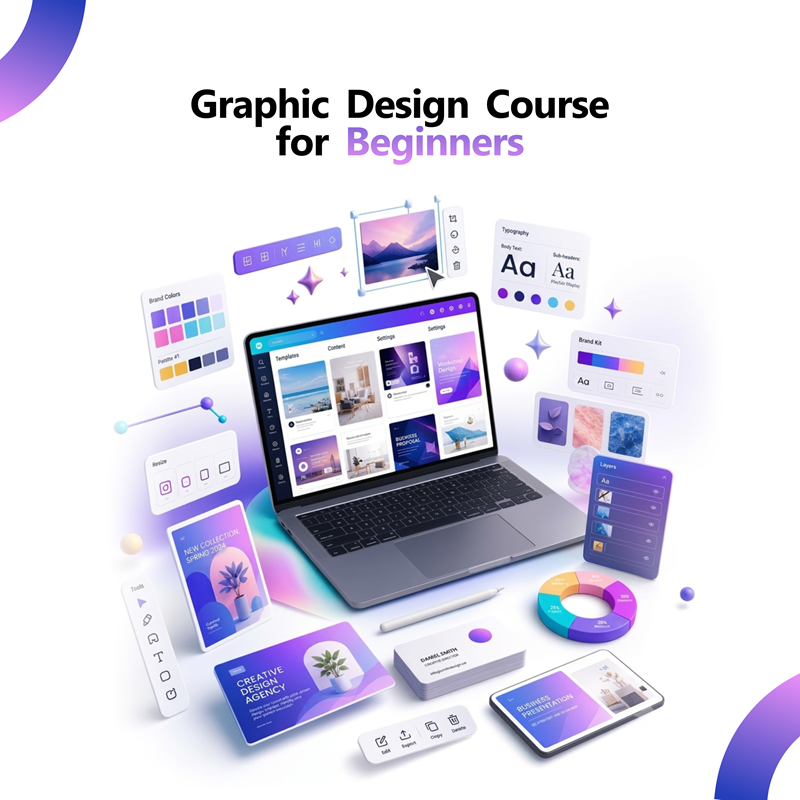
Graphic design is one of the most valuable digital skills you can learn today. Businesses, entrepreneurs, and organizations rely on skilled designers to create logos, social media graphics, websites, advertisements, and marketing materials that capture attention and communicate ideas effectively.
If you’ve never designed before, don’t worry. A graphic design course for beginners is designed to teach you the fundamentals, introduce you to industry-standard tools, and help you build practical skills through hands-on projects.
In this guide, you’ll learn what to expect from a beginner’s graphic design course and how it can prepare you for a successful career.
Why Learn Graphic Design?
Graphic design is more than creating attractive visuals. It’s about solving communication problems through design. Every business needs visual content to market products, build brand awareness, and engage customers.
Learning graphic design can help you:
- Start a freelance business
- Apply for remote jobs
- Work with marketing agencies
- Support your own business
- Build a creative career
- Develop a valuable digital skill
As businesses continue to invest in digital marketing, the demand for graphic designers keeps growing.
What Should a Beginner’s Graphic Design Course Cover?
A quality beginner course should take you from the basics to creating professional designs.
- Design Principles
Before learning software, you’ll understand the foundations of good design, including:
- Color theory
- Typography
- Balance
- Contrast
- Alignment
- White space
- Visual hierarchy
These principles help you create designs that are both attractive and effective.
- Graphic Design Software
Most beginner courses introduce popular design tools such as:
- Canva
- Adobe Photoshop
- Adobe Illustrator
- Figma
Many beginners start with Canva because it’s easy to learn before progressing to professional software like Adobe Illustrator and Photoshop.
- Practical Design Projects
The best way to learn graphic design is by practicing. A beginner’s course should include projects like:
- Logo design
- Social media posts
- Flyers
- Business cards
- Posters
- Banners
- Presentation graphics
Completing real-world projects helps you gain confidence and build experience.
- Branding Basics
Understanding branding allows you to create designs that represent a company’s identity consistently.
You’ll learn about:
- Brand colors
- Logo usage
- Typography
- Brand consistency
- Visual identity
Branding knowledge makes you a more valuable designer.
Essential Skills Every Beginner Should Develop
Besides learning software, successful graphic designers develop important soft skills, including:
- Creativity
- Attention to detail
- Communication
- Time management
- Problem-solving
- Willingness to learn
These skills will help you work effectively with clients, employers, and creative teams.
How Long Does It Take to Learn Graphic Design?
The time required depends on your learning pace and practice.
Many beginners can understand the fundamentals within a few weeks of consistent learning. However, becoming a confident designer usually requires several months of regular practice and real-world projects.
Remember, graphic design is a skill that improves with experience.
Build a Portfolio While Learning
One mistake many beginners make is waiting until they finish a course before creating a portfolio.
Instead, save your best class projects and include them in your portfolio as you learn.
Your portfolio can feature:
- Logo concepts
- Social media designs
- Flyers
- Posters
- Branding projects
- Marketing materials
Employers and clients are more interested in seeing your work than simply reading about your qualifications.
Career Opportunities After Completing a Course
After completing a beginner’s graphic design course, you can pursue opportunities such as:
- Graphic Designer
- Social Media Designer
- Brand Designer
- Marketing Designer
- Print Designer
- Freelance Graphic Designer
- Junior UI Designer
As you gain experience, you can specialize in areas like motion graphics, illustration, or UI/UX design.
Tips for Success as a Beginner
To accelerate your learning:
- Practice every day, even if it’s for 30 minutes.
- Recreate professional designs to understand layout and composition.
- Ask for feedback from experienced designers.
- Follow current design trends for inspiration.
- Keep experimenting with new tools and techniques.
Consistency is the key to becoming a skilled designer.
Conclusion
Choosing the right graphic design course for beginners is the first step toward building a rewarding creative career. By learning the fundamentals, mastering essential design tools, and practicing regularly, you can develop the skills needed to work with businesses, agencies, or international clients.
Whether you want to freelance, secure a remote job, or launch your own creative business, investing in graphic design education today can create opportunities for years to come.
Recommended articles
Start your graphic design journey today with a beginner-friendly course that combines practical projects, expert guidance, and industry-relevant skills to help you succeed.